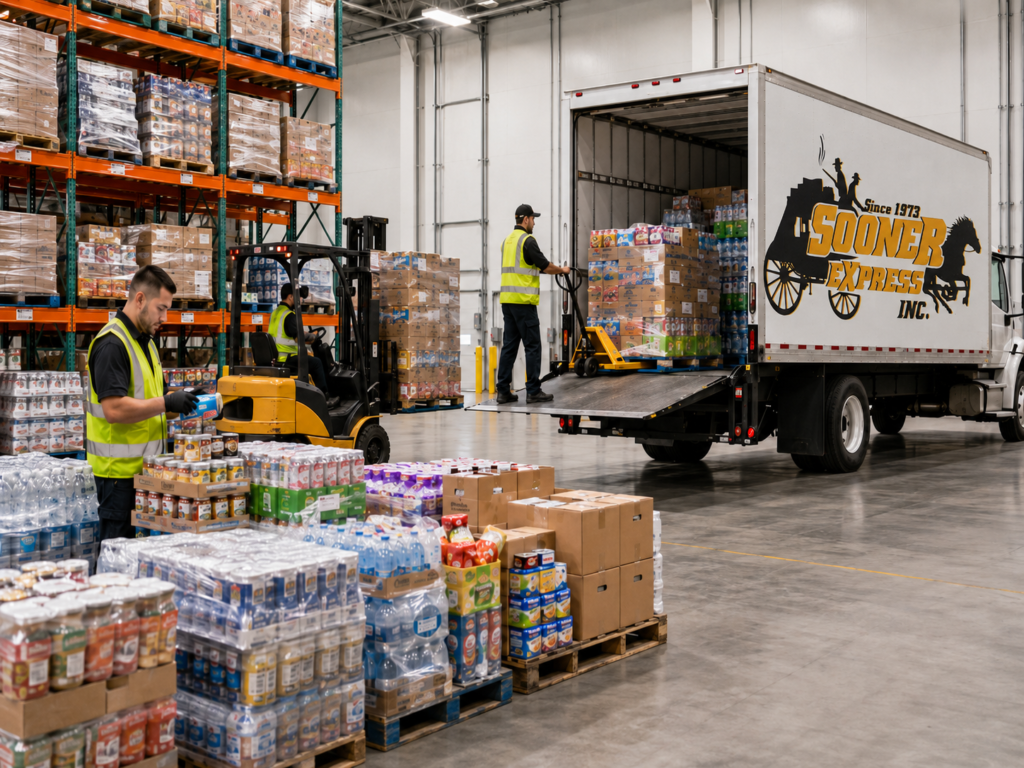
 Reliable dedicated fleet services can help food and beverage businesses maintain more control over delivery schedules, product handling, transportation capacity, and customer commitments. Companies using Sooner Logistics Southern California logistics support can connect transportation with warehousing and distribution rather than managing each operation separately.
Food distribution presents challenges that many general freight operations do not experience. Products may have expiration dates, handling instructions, strict retailer appointments, seasonal demand, or limited delivery windows.
A dependable transportation strategy helps ensure that inventory moves from the warehouse to retailers, restaurants, distributors, and customers efficiently.
Why Food Distribution Requires Reliable Transportation
Food businesses often operate on tight schedules. A late shipment can affect store replenishment, restaurant inventory, production schedules, or customer orders.
Transportation problems can also create additional expenses. Businesses may need to arrange emergency deliveries, replace damaged goods, pay retailer penalties, or respond to dissatisfied customers.
A strong distribution plan should address:
- Delivery schedules
- Vehicle availability
- Route planning
- Product-handling requirements
- Shipment visibility
- Driver communication
- Customer receiving hours
- Unexpected transport disruptions
When these elements are coordinated properly, food businesses gain more control over daily distribution.
What Is a Dedicated Fleet?
A dedicated fleet is a group of vehicles and transportation resources assigned to support the recurring needs of a particular business, customer, route, or distribution program.
Unlike transportation arranged separately for every shipment, a dedicated fleet can provide more consistent capacity and scheduling.
Depending on the operation, the fleet may support:
- Warehouse-to-retailer deliveries
- Regional distribution routes
- Supplier pickups
- Restaurant and hospitality deliveries
- Wholesale food shipments
- Beverage distribution
- Replenishment programs
- Recurring customer orders
- Time-sensitive deliveries
The vehicles, routes, and schedules can be planned around the company’s normal shipping requirements.
More Predictable Transportation Capacity
Businesses relying entirely on last-minute transport arrangements may struggle to find suitable vehicles during busy periods. Capacity may become limited during holidays, seasonal sales, promotions, or periods of high freight demand.
A dedicated fleet gives the company more predictable access to transportation.
This does not mean that every delivery will follow the same schedule. It means the transportation operation can be designed around the company’s typical order volume, delivery areas, and service expectations.
Predictable capacity helps businesses prepare for demand without searching for a new transportation provider whenever products need to move.
Better Control Over Delivery Schedules
Food customers may have specific receiving windows. A retailer may only accept deliveries during designated hours, while a restaurant or distributor may require products before daily operations begin.
Missing an appointment can cause delays and additional costs.
Dedicated transportation allows routes and departure times to be planned around customer requirements. Dispatchers can consider:
- Warehouse loading times
- Traffic patterns
- Delivery appointments
- Route distance
- Unloading requirements
- Driver working hours
- Customer priority
- Vehicle capacity
This structured approach can improve delivery consistency and reduce avoidable scheduling problems.
Connecting Warehousing and Transportation
Transportation performs best when it is coordinated with warehouse operations.
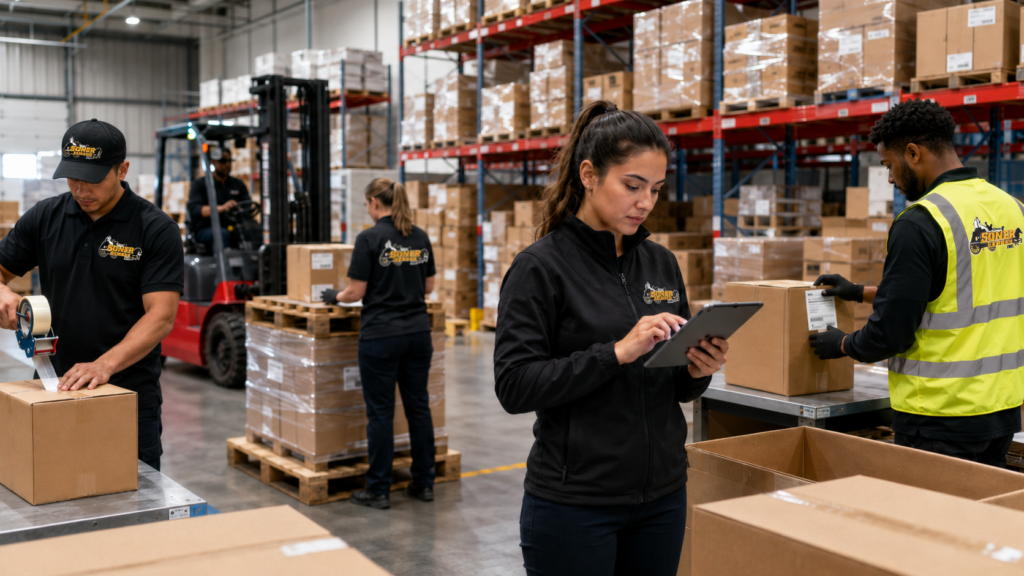
The warehouse team needs to know when vehicles will arrive, which orders should be prepared first, how products should be staged, and whether any shipment has special handling instructions.
The transportation team needs accurate information about:
- Order quantities
- Pallet counts
- Product weights
- Delivery destinations
- Loading sequence
- Customer appointments
- Special handling needs
- Changes to the planned shipment
When warehouse and transportation teams work from the same plan, vehicles spend less time waiting and orders are less likely to leave incomplete.
Businesses can use dedicated fleet services to create a closer connection between warehouse activity, dispatch planning, transportation, and final delivery.
Supporting Food and Beverage Businesses
Food and beverage companies often distribute products to several types of customers.
One business may serve supermarkets, restaurants, wholesalers, hospitality companies, ecommerce buyers, and independent retailers. Each customer group may have different order sizes and delivery expectations.
A dedicated transportation program can be structured to support these differences.
For example:
- Large retail orders may move on pallets.
- Restaurant deliveries may require smaller and more frequent shipments.
- Wholesale customers may need scheduled replenishment.
- Ecommerce orders may require parcel or last-mile coordination.
- Seasonal products may need temporary increases in capacity.
The transportation plan should reflect how the business actually sells and distributes its products.
Improving Shipment Visibility
Businesses need to know what is being transported, when it left the warehouse, and whether it arrived successfully.
Better shipment visibility helps warehouse managers, customer-service teams, and customers respond when conditions change.
Useful transportation information may include:
- Dispatch time
- Current delivery status
- Estimated arrival
- Completed stops
- Delivery confirmation
- Route delays
- Shipment exceptions
- Returned or refused products
Visibility does not eliminate every delay, but it helps the company respond faster and communicate more clearly.
Maintaining Vehicle Readiness
A dedicated fleet must be maintained properly. An unavailable vehicle can disrupt several deliveries, especially when the fleet supports recurring routes.
Preventive inspections and maintenance should be part of the transportation plan rather than something addressed only after a breakdown.
The Federal Motor Carrier Safety Administration states that commercial motor vehicles under a carrier’s control must be systematically inspected, repaired, and maintained. It emphasizes commercial vehicle inspection and maintenance for reliability. Its safety guidance also emphasizes that employees involved with vehicle inspection and upkeep must follow applicable maintenance requirements.
A fleet-readiness program may cover:
- Regular vehicle inspections
- Preventive servicing
- Tire and brake checks
- Repair documentation
- Cleaning procedures
- Emergency equipment
- Driver defect reports
- Backup vehicle planning
Consistent maintenance improves reliability while reducing the risk of preventable transport interruptions.
Improving Product Handling
Food products can be affected by poor loading, unstable pallet arrangements, damaged packaging, or unsuitable vehicle conditions.
Warehouse and transportation teams should agree on how products will be prepared and secured before departure.
Important considerations include:
- Pallet stability
- Packaging condition
- Load distribution
- Product separation
- Vehicle cleanliness
- Loading sequence
- Protection from crushing
- Delivery-order arrangement
Products required at the first delivery stop should be loaded so that workers can access them without unnecessarily moving other inventory.
Responding to Seasonal Demand
Food distribution volumes can change significantly during holidays, promotional periods, school calendars, tourism seasons, and major events.
Businesses should review historical order data and speak with customers before predictable peak periods.
A seasonal fleet plan may include:
- Additional vehicles
- Temporary route changes
- Extended loading hours
- Earlier inventory staging
- Extra drivers
- More frequent replenishment
- Backup transportation capacity
Planning before the peak period is usually more effective than trying to solve transportation problems after orders have already increased.
Supporting Customer Service
Transportation affects the customer’s experience directly.
A customer may not see the warehouse operation, inventory system, or route-planning process. However, the customer notices whether the correct order arrives in good condition and at the expected time.
Reliable deliveries can help food businesses:
- Maintain retailer relationships
- Reduce customer complaints
- Improve order consistency
- Support repeat purchases
- Meet replenishment schedules
- Strengthen service standards
Transportation should therefore be viewed as part of customer service, not merely a cost of moving products.
When Dedicated Fleet Support Makes Sense
A dedicated fleet may be appropriate when a business has consistent transportation needs and requires more control than occasional freight arrangements provide.
It may be particularly useful when the company:
- Ships frequently within a defined region
- Has recurring delivery routes
- Serves customers with strict appointment times
- Needs dependable vehicle availability
- Wants closer coordination with warehouse operations
- Handles products requiring careful transport
- Is expanding into new distribution areas
- Experiences frequent capacity problems
The decision should be based on shipment volume, service requirements, operating costs, delivery geography, and customer expectations.
Measuring Fleet Performance
Businesses should regularly review whether the transportation program is delivering the expected results.
Useful performance measurements include:
- On-time delivery rate
- Cost per delivery
- Vehicle utilization
- Empty mileage
- Delivery exceptions
- Product-damage reports
- Customer complaints
- Fuel usage
- Route completion time
- Vehicle downtime
These measurements help managers identify inefficient routes, recurring delays, maintenance issues, and changes in customer demand.
Final Thoughts
Dedicated transportation can give food businesses better control over vehicle capacity, delivery schedules, product handling, and customer service. The strongest results come from coordinating fleet operations with warehousing, order preparation, inventory management, and distribution planning. Roaming Roosters publishes this guide to help food-related businesses understand how dependable transportation can support efficient operations and sustainable growth.


 Yes,
Yes, 


 Experience